The need for dietary supplements can vary depending on an individual’s health, dietary habits, and lifestyle. It is always advisable to consult a doctor or nutritionist before taking dietary supplements. In general, however, there are some supplements that may be considered important:
1. Multivitamin supplements:
These contain a blend of various vitamins and minerals that can help address potential deficiencies.
2. Omega-3 fatty acids:
Omega-3 fatty acids, particularly EPA and DHA, are important for heart health and can be found in fish oil or algae oil supplements.
3. Vitamin D:
Vitamin D is important for bone health and the immune system. It can be obtained through sunlight, food, or supplements.
4. Calcium:
Calcium is essential for strong bones and teeth. It is particularly important for people who do not get enough calcium from their diet.
5. Iron:
Iron deficiency can lead to anemia. Iron supplements are often recommended, especially for people with higher needs, such as pregnant women or those with iron deficiency.
6. Probiotics:
Probiotics are beneficial bacteria that can support gut health. They are found in fermented foods like yogurt or can be taken as dietary supplements.
7. Magnesium:
Magnesium plays a role in many bodily functions, including muscle and nerve function. Some people may benefit from magnesium supplements.
8. Folic acid:
Folic acid is important for cell division and can be particularly important for pregnant women to prevent neural tube defects in the fetus.
9. B vitamins:
B vitamins, including B12, B6, and folic acid, are important for energy metabolism and nerve function. People with certain diets or health conditions may benefit from B vitamin supplements.
It is important to note that dietary supplements should not be used to compensate for an unbalanced diet or an unhealthy lifestyle. Ideally, most nutrients should be obtained from a balanced diet. However, supplements can be useful for meeting specific needs, especially when there are challenges in obtaining sufficient amounts of certain nutrients from food.
Image
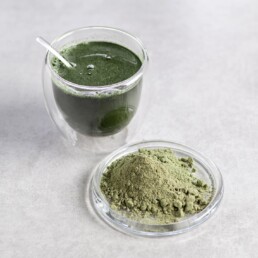
Biologically active substances, sprouted grains, and vegetables as “superfood” food additives (Image source: Adobe Stock)