There are 20 different amino acids that serve as the building blocks of proteins in the human body. Of these, nine are known as essential amino acids because the body cannot produce them on its own and must therefore obtain them through diet. Here are the most important amino acids:
1. Leucine:
Leucine is a branched-chain amino acid (BCAA) and plays a key role in protein synthesis. It is often taken by athletes and bodybuilders as a supplement to promote muscle growth.
2. Isoleucine:
Isoleucine is a BCAA that is also important for protein synthesis. It is often taken together with leucine and valine.
3. Valine:
Valine is the third BCAA and plays a role in energy production during intense physical activity.
4. Methionine:
Methionine is important for protein synthesis and contains sulfur, which is necessary for the formation of healthy hair, skin, and nails.
5. Phenylalanine:
Phenylalanine is a precursor amino acid required for the synthesis of other amino acids and important neurotransmitters in the brain.
6. Threonine:
Threonine is involved in protein formation and plays a role in the formation of collagen, elastin, and muscle tissue.
7. Tryptophan:
Tryptophan is a precursor amino acid for serotonin, a neurotransmitter that plays a role in mood regulation and sleep.
8. Histidine (formerly not considered essential):
Histidine is particularly important for children’s growth. It is also a precursor amino acid for histamine, which is involved in allergic reactions.
9. Lysine:
Lysine is crucial for protein synthesis, collagen formation, the immune system, and calcium absorption.
10. Arginine (semi-essential amino acid):
Arginine plays a role in detoxifying the body, nitric oxide production, and blood pressure regulation. It is also a precursor to creatine, which plays a role in energy production in muscle cells.
These amino acids are essential for many vital functions in the body. A balanced diet that includes a variety of protein sources is generally sufficient to meet the body’s needs for essential amino acids. In some cases, dietary supplements may be considered in consultation with a healthcare provider, particularly for specific dietary needs or special lifestyle requirements.
Image
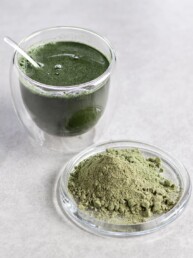
Quinoa is a natural food with a high amino acid content (Image source: Adobe Stock)